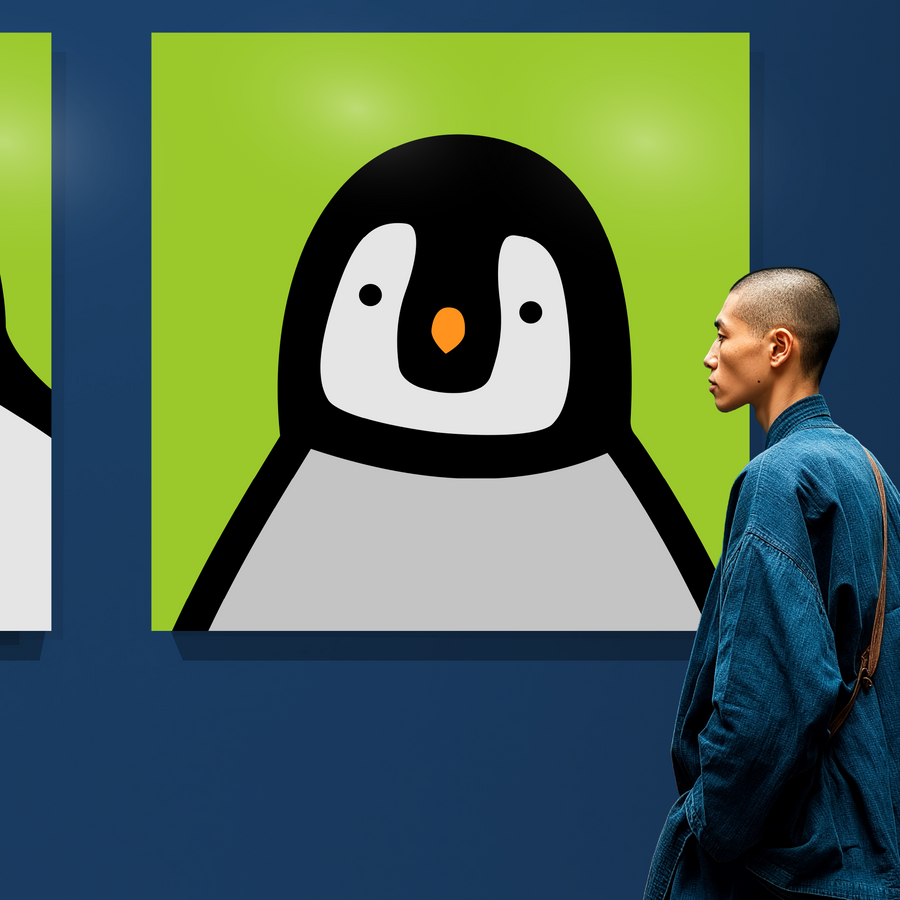
-
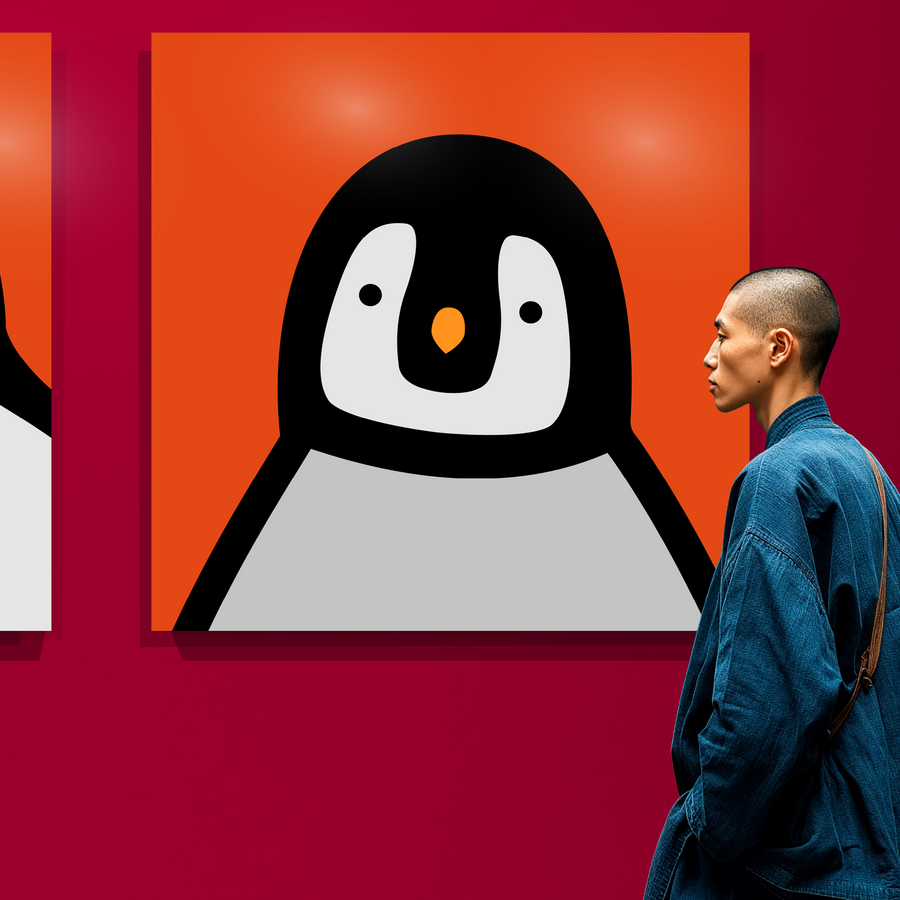
Penguin portrait red
Regular price From €1.200,00Regular priceSale price From €1.200,00 -
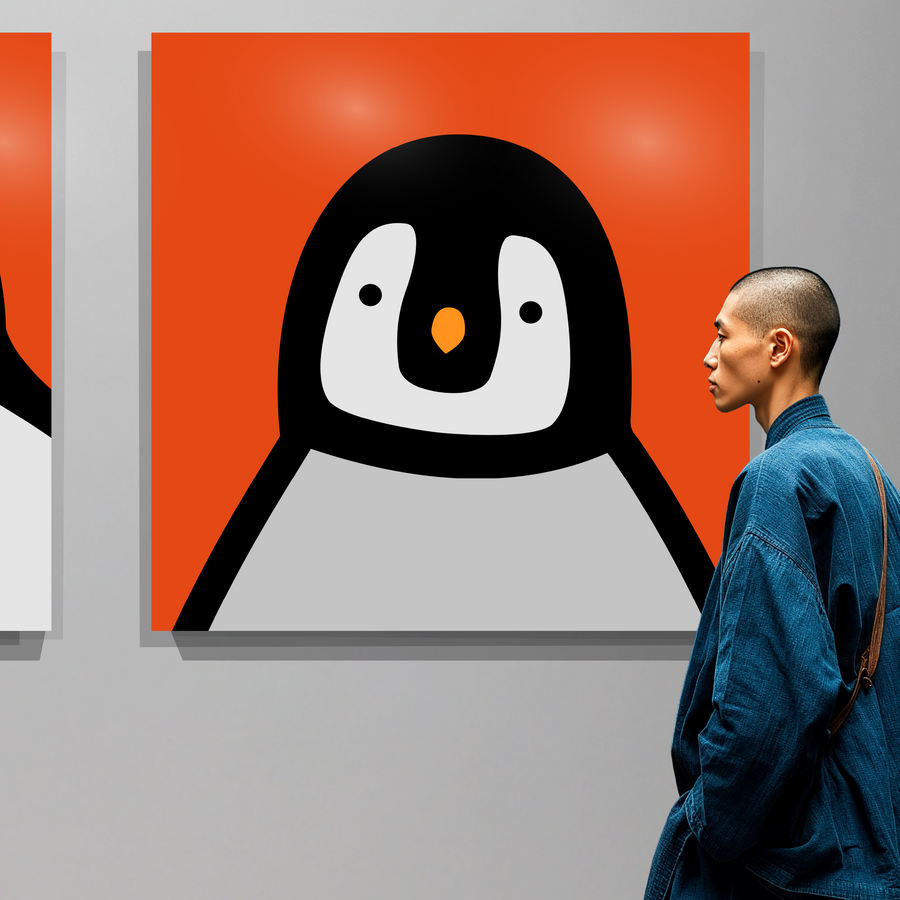
Penguin portrait chick red
Regular price From €1.200,00Regular priceSale price From €1.200,00 -
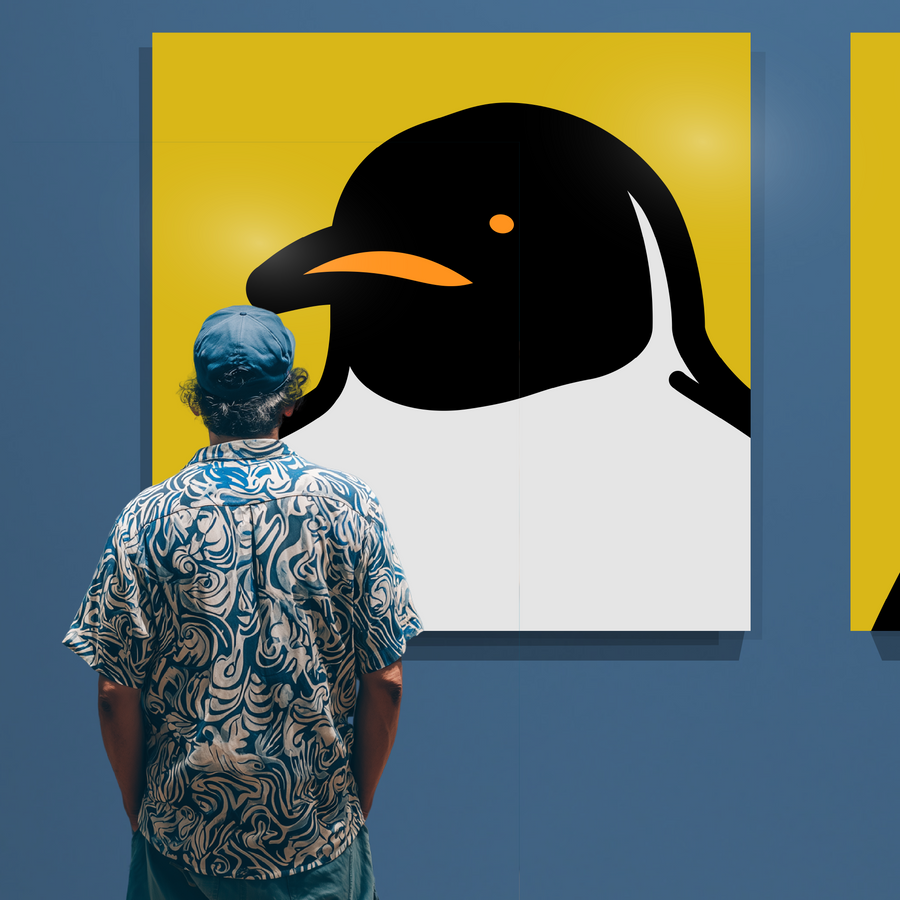
Penguin portrait yellow
Regular price From €1.200,00Regular priceSale price From €1.200,00 -
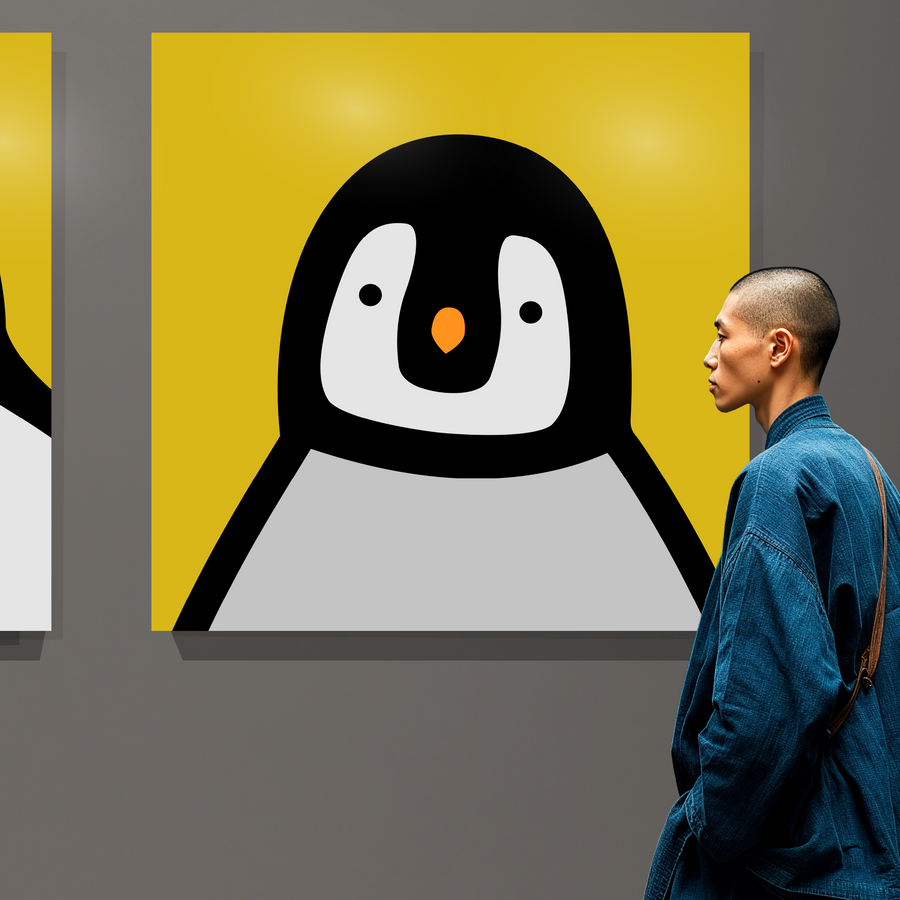
Penguin portrait chick yellow
Regular price From €1.200,00Regular priceSale price From €1.200,00 -
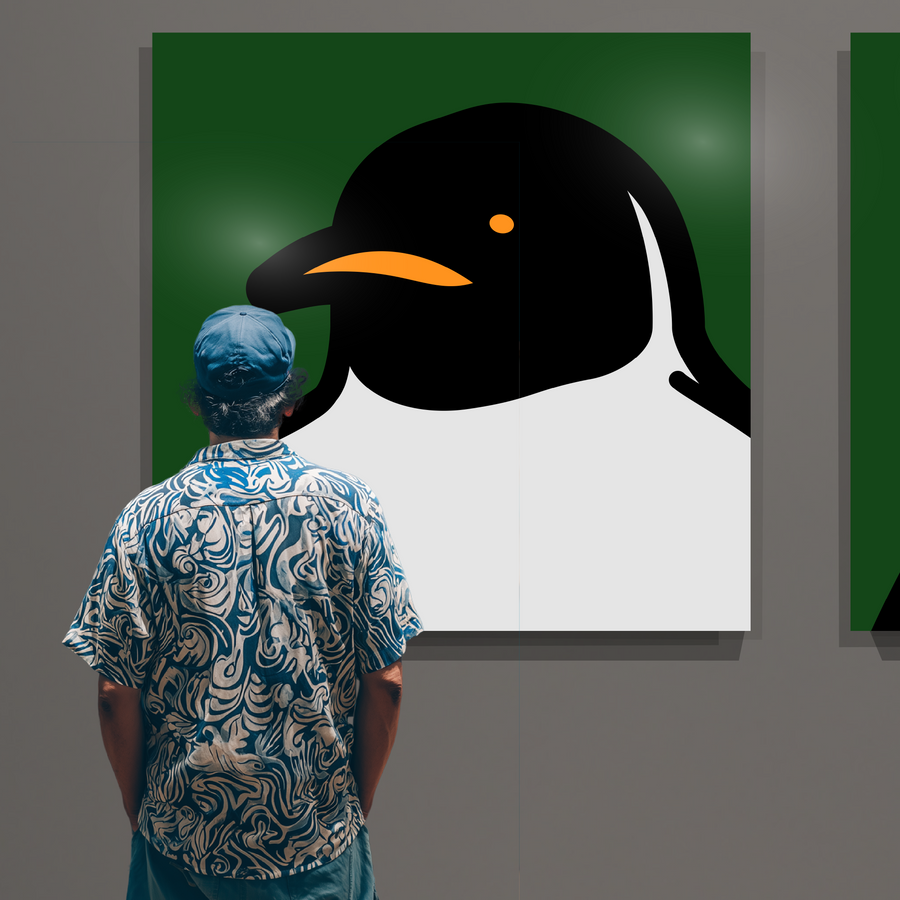
Penguin portrait, dark green
Regular price From €1.200,00Regular priceSale price From €1.200,00 -
Penguin portrait chick dark green
Regular price From €1.200,00Regular priceSale price From €1.200,00 -
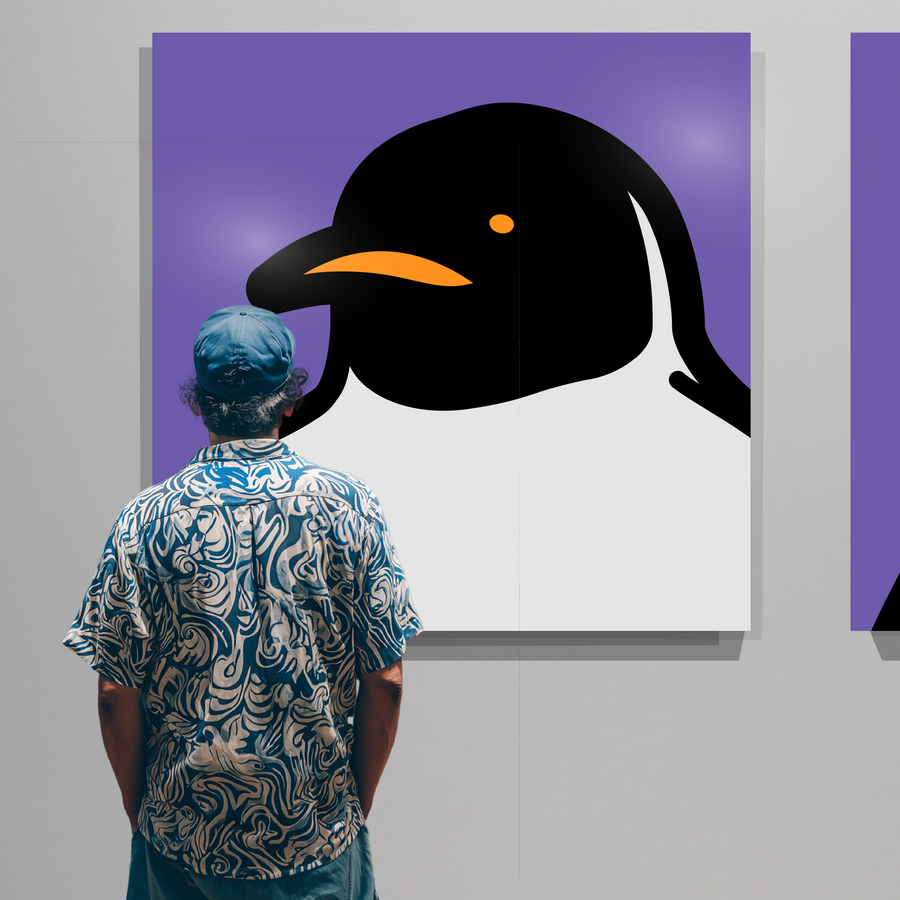
Penguin portrait violet
Regular price From €1.200,00Regular priceSale price From €1.200,00 -
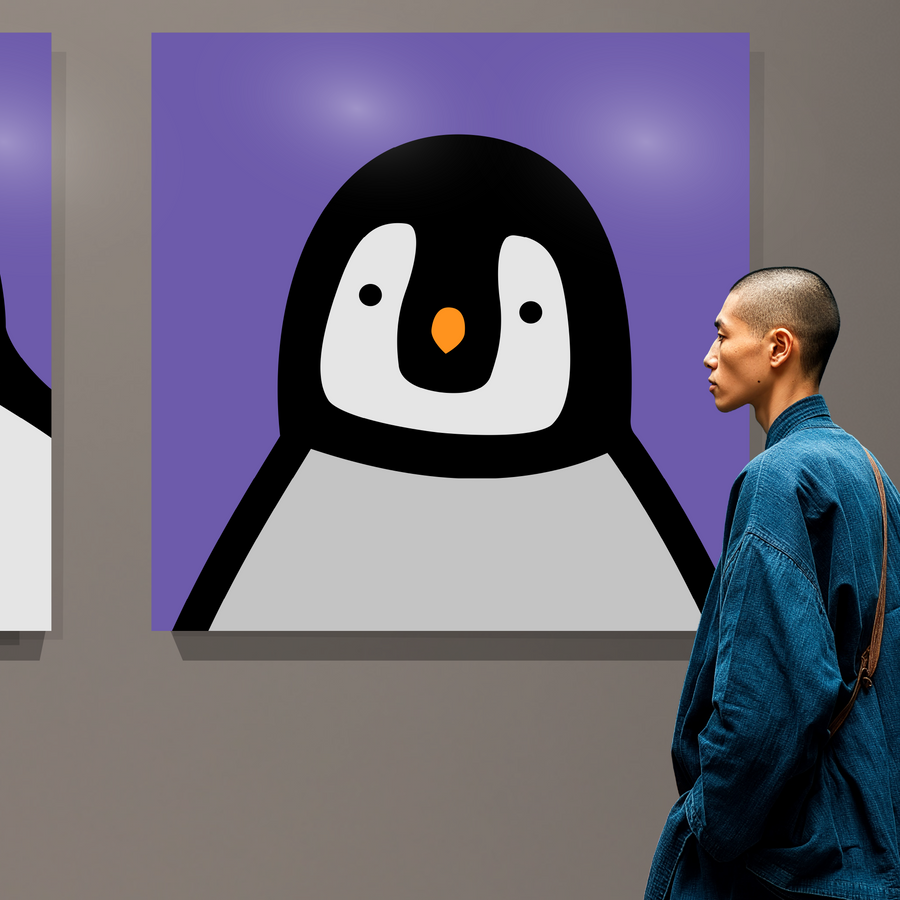
Penguin portrait, chick, purple
Regular price From €1.200,00Regular priceSale price From €1.200,00 -
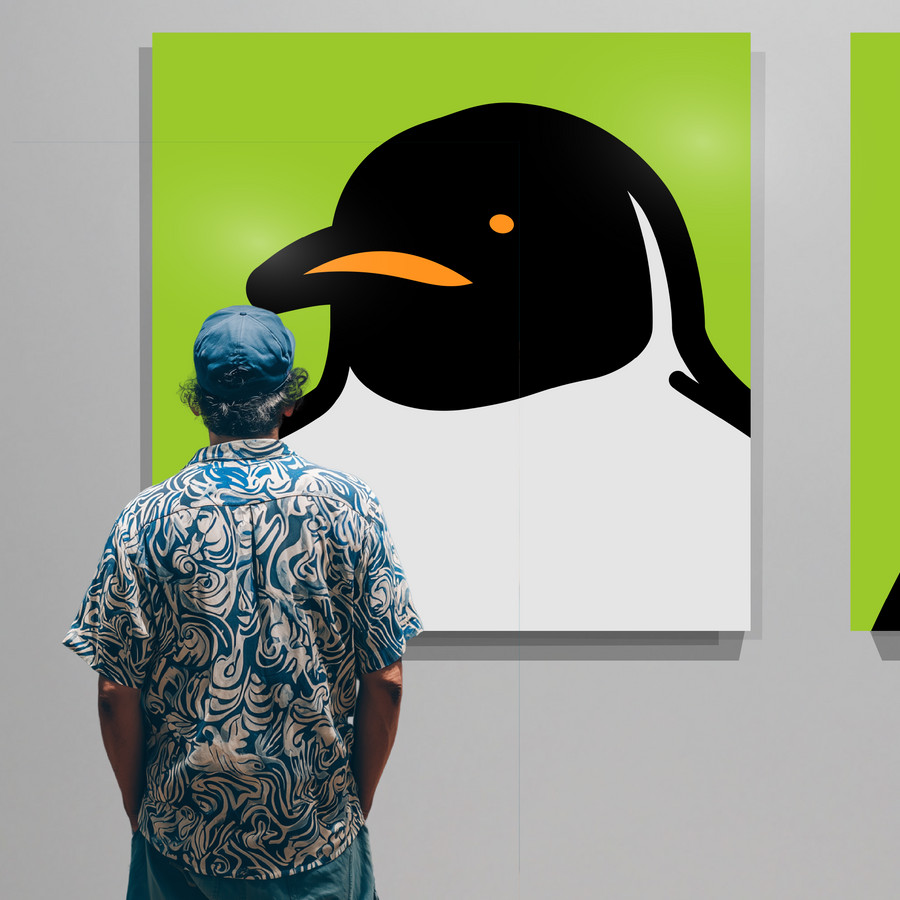
Penguin portrait green
Regular price From €1.200,00Regular priceSale price From €1.200,00 -
Penguin portrait chick green
Regular price From €1.200,00Regular priceSale price From €1.200,00
Collection: Penguin Portraits
Emperor penguins breed in the middle of the Antarctic winter. The female lays a single egg and transfers it to the male, who balances it on his feet and warms it beneath a brood pouch. During this period, he fasts for up to two months.
After the chick hatches, it remains with the father. If the female returns in time, she takes over feeding. Both parents then alternate roles, one stays with the chick while the other hunts at sea.
As the chick grows, it joins a crèche with other young penguins. Still, the parents recognize their own offspring by its unique call and feed only that one. Even in the midst of thousands, the bond to their own chick remains distinct, defined by proximity, care, and orientation.
At a time when caregiving is often being redefined, emperor penguins remind us that parenting is less about roles than about shared responsibility—quietly but steadfastly lived.